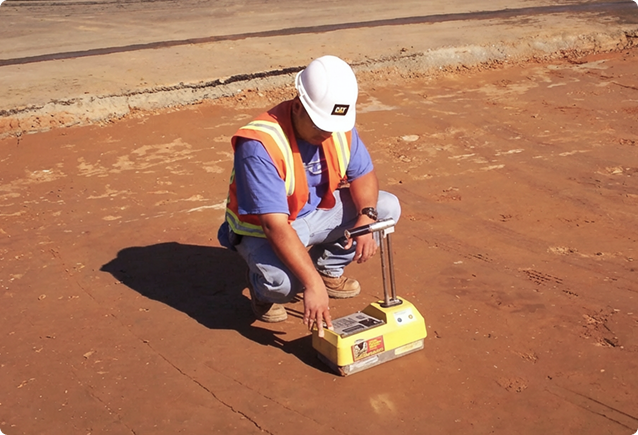

Understanding Geotechnical Engineering
An overview of geotechnical engineering principles and practices.
Nov 29
3 Mins Read
Introduction to Geotechnical Engineering
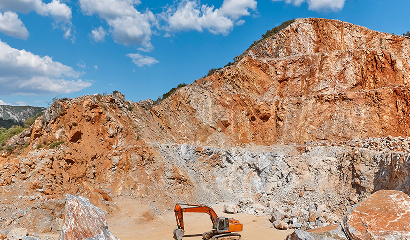
Geotechnical engineering is a branch of civil engineering that focuses on the behavior of earth materials. It involves the study of soil and rock mechanics, which are crucial for the design and construction of foundations, retaining structures, and other earthworks.
Importance of Geotechnical Studies
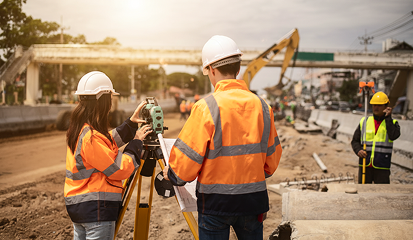
Understanding the properties of soil and rock is essential for ensuring the stability and safety of structures. Geotechnical engineers conduct site investigations to assess ground conditions, which inform design decisions and construction methods.
The science that supports smarter construction
Geotechnical engineering brings together field exploration, lab testing, and expert analysis to create a clear picture of subsurface behavior. This knowledge guides engineers in choosing the right foundation and construction approach tailored to each site's unique demands.
It also plays a vital role in sustainability. Efficient use of soil, proper material selection, and risk mitigation strategies reduce waste, delays, and long-term maintenance costs — creating smarter, more responsible builds.
In regions where earthquakes or complex soil types are common, geotechnical insight protects infrastructure and people. It helps anticipate how the ground will react under stress, ensuring structures stay resilient through their lifespan.
At the end of the day, every successful project starts with one critical step: knowing the ground you’re building on. Geotechnical engineering transforms uncertainty into confidence — giving every structure the solid start it deserves.
It also plays a vital role in sustainability. Efficient use of soil, proper material selection, and risk mitigation strategies reduce waste, delays, and long-term maintenance costs — creating smarter, more responsible builds.
In regions where earthquakes or complex soil types are common, geotechnical insight protects infrastructure and people. It helps anticipate how the ground will react under stress, ensuring structures stay resilient through their lifespan.
At the end of the day, every successful project starts with one critical step: knowing the ground you’re building on. Geotechnical engineering transforms uncertainty into confidence — giving every structure the solid start it deserves.