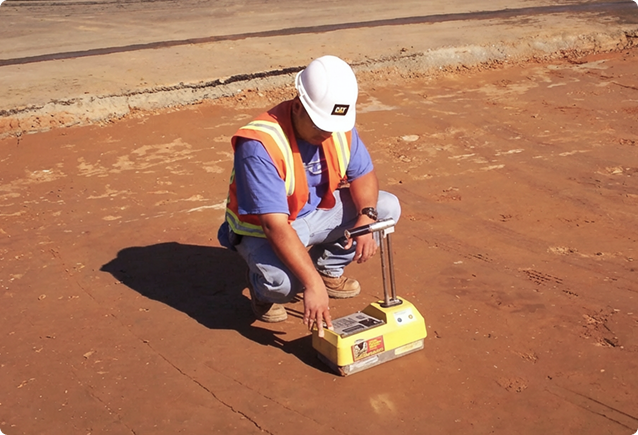

Soil Sampling Techniques
Explore various soil sampling techniques used in geotechnical investigations.
Nov 29
3 Mins Read
Introduction to Soil Sampling
Soil sampling is a critical step in geotechnical investigations. It involves collecting soil samples from a site to analyze their properties and behavior under load. Proper sampling techniques ensure that the samples are representative of the site conditions.
Common Soil Sampling Methods
There are several methods for soil sampling, including disturbed and undisturbed sampling. Disturbed samples are easier to collect but may not accurately represent in-situ conditions, while undisturbed samples preserve the soil structure and are essential for accurate testing.
The science that supports smarter construction
Geotechnical engineering brings together field exploration, lab testing, and expert analysis to create a clear picture of subsurface behavior. This knowledge guides engineers in choosing the right foundation and construction approach tailored to each site's unique demands.
It also plays a vital role in sustainability. Efficient use of soil, proper material selection, and risk mitigation strategies reduce waste, delays, and long-term maintenance costs — creating smarter, more responsible builds.
In regions where earthquakes or complex soil types are common, geotechnical insight protects infrastructure and people. It helps anticipate how the ground will react under stress, ensuring structures stay resilient through their lifespan.
At the end of the day, every successful project starts with one critical step: knowing the ground you’re building on. Geotechnical engineering transforms uncertainty into confidence — giving every structure the solid start it deserves.
It also plays a vital role in sustainability. Efficient use of soil, proper material selection, and risk mitigation strategies reduce waste, delays, and long-term maintenance costs — creating smarter, more responsible builds.
In regions where earthquakes or complex soil types are common, geotechnical insight protects infrastructure and people. It helps anticipate how the ground will react under stress, ensuring structures stay resilient through their lifespan.
At the end of the day, every successful project starts with one critical step: knowing the ground you’re building on. Geotechnical engineering transforms uncertainty into confidence — giving every structure the solid start it deserves.