
Earth Retaining Structures
Explore the design principles of earth retaining structures.
Nov 29
3 Mins Read
Introduction to Earth Retaining Structures
Earth retaining structures are designed to hold back soil and prevent erosion or collapse. They are commonly used in construction projects where changes in elevation occur.
Types of Retaining Structures
Common types include gravity walls, cantilever walls, and anchored walls. Each type has its own design considerations based on the site conditions and the loads they must support.
The science that supports smarter construction
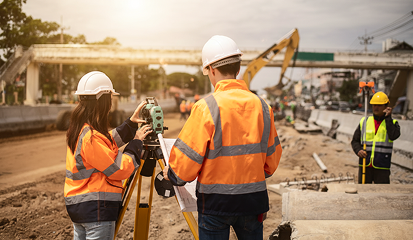
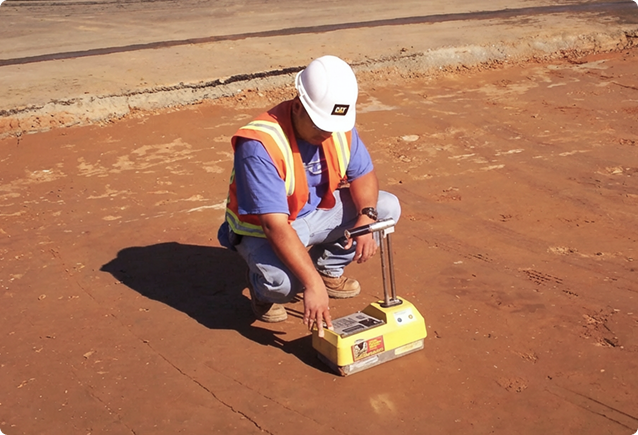
Geotechnical engineering brings together field exploration, lab testing, and expert analysis to create a clear picture of subsurface behavior. This knowledge guides engineers in choosing the right foundation and construction approach tailored to each site's unique demands.
It also plays a vital role in sustainability. Efficient use of soil, proper material selection, and risk mitigation strategies reduce waste, delays, and long-term maintenance costs — creating smarter, more responsible builds.
In regions where earthquakes or complex soil types are common, geotechnical insight protects infrastructure and people. It helps anticipate how the ground will react under stress, ensuring structures stay resilient through their lifespan.
At the end of the day, every successful project starts with one critical step: knowing the ground you’re building on. Geotechnical engineering transforms uncertainty into confidence — giving every structure the solid start it deserves.
It also plays a vital role in sustainability. Efficient use of soil, proper material selection, and risk mitigation strategies reduce waste, delays, and long-term maintenance costs — creating smarter, more responsible builds.
In regions where earthquakes or complex soil types are common, geotechnical insight protects infrastructure and people. It helps anticipate how the ground will react under stress, ensuring structures stay resilient through their lifespan.
At the end of the day, every successful project starts with one critical step: knowing the ground you’re building on. Geotechnical engineering transforms uncertainty into confidence — giving every structure the solid start it deserves.